
Planning your visit
How to Prepare for a Mold Inspection
 How to Prepare for a Mold Inspection
Keep your home in its normal state for 24 hours before your appointment. This ensures the most accurate data for your mold inspection.
The short answer
To get accurate results, keep your home in its normal, lived-in state for 24 hours before our visit. Avoid heavy cleaning, dusting, or running air purifiers, as these can mask spore presence and lead to misleading test results.
Maintain Your Normal Home Environment
We perform independent testing to provide unbiased data on your indoor air quality. By leaving your home in its typical condition without extra cleaning, you ensure our samples accurately reflect the environment you inhabit every day rather than an artificial or temporary state.
Avoid Cleaning Before Our Arrival
Do not vacuum, dust, or scrub surfaces for at least 24 hours before we arrive. Cleaning actions can disturb mold spores or remove the physical evidence we need to identify issues. Keep windows closed and turn off portable air purifiers to prevent interference with our measurements.
Clear Access and Share Property History
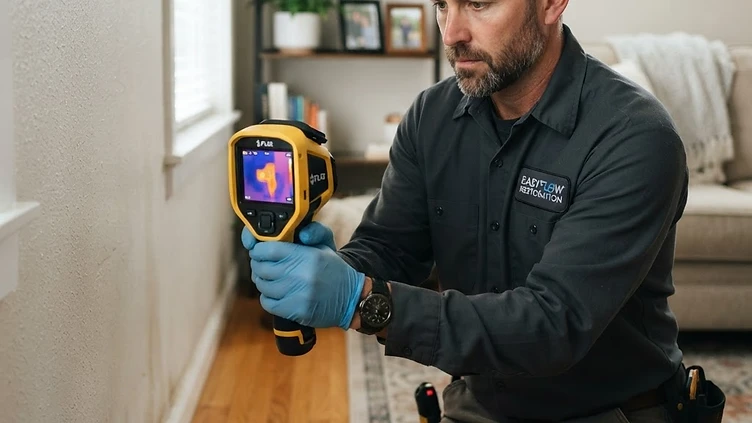
Our team uses moisture meters and thermal cameras to identify hidden water concerns. Please clear pathways to attics, crawlspaces, and areas under sinks for a thorough assessment. Sharing details about past leaks helps us pinpoint high-risk zones and investigate moisture issues effectively.

Questions readers ask
Should I deep clean before the technician arrives?
No. Scrubbing or deep cleaning can remove the physical evidence we need for our tests. It is best to leave your home in its typical, lived-in condition so our samples provide an honest look at your current indoor environment.
Does my property history help with the inspection?
Yes. Knowing about previous water events or plumbing repairs helps us identify where to investigate. It allows our team to use moisture detection tools in the right areas to determine if past problems are still affecting your home.
Can I follow the inspector during the site visit?
Yes. We encourage you to be present. You can point out specific areas of concern, and we will show you how we use our tools to investigate potential moisture reservoirs and hidden risks throughout your property.