Inspection basics
Mold Inspection vs. Mold Testing: What is the Difference?
 Mold Inspection vs. Mold Testing: What is the Difference?
Understand the difference between a mold inspection and mold testing. We focus on finding moisture sources to help you address mold problems at the root.
The short answer
A mold inspection is a visual check to find moisture issues and potential mold growth. Mold testing involves collecting samples for lab analysis to identify specific mold types. We prioritize the inspection because fixing the water source is the most important step for long term control.
Prioritizing the Moisture Source
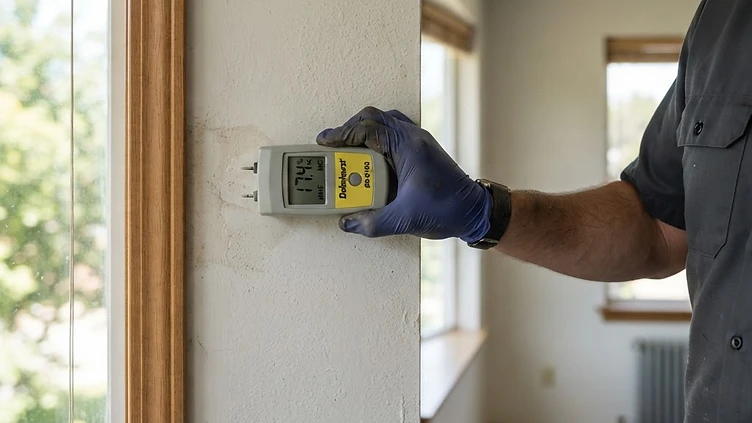
Our primary focus is identifying what allows mold to grow in your home. We check for active leaks, high humidity, or areas prone to condensation. By using a moisture meter to detect damp building materials, we find the conditions supporting mold growth. According to the EPA, stopping the moisture source is the most effective way to prevent mold from returning.
Deciding When You Need Mold Testing
We recommend air or surface sampling when the cause of a potential problem is hidden or if you need data for specific health or legal purposes. These tests provide a snapshot of the conditions at the time of the visit. If you already have visible mold, you usually do not need lab testing. The presence of growth is clear evidence that you have a moisture issue that requires professional attention.
Questions readers ask
Is mold testing required if I can see mold growth?
Generally, no. If you can see mold, you already know you have an issue. The EPA indicates that testing is not necessary in such cases. The priority is to find and fix the water source and have the mold safely removed by a professional.
Are there federal limits for safe indoor mold levels?
No. There are no federal or state standards for indoor mold concentrations. Mold spores are part of the natural environment and are found everywhere. Reports that label a home as passed or failed based on spore counts are not consistent with established public health guidance.