
Inspection basics
Air vs Surface Mold Testing: Understanding Your Options
 Air vs Surface Mold Testing: Understanding Your Options
Not sure which diagnostic test you need? We explain how air and surface sampling work to help you address moisture and mold concerns in your home.
The short answer
Air and surface mold testing are distinct diagnostic tools used to investigate your indoor environment. Air sampling measures airborne spore concentrations compared to outdoor levels, while surface sampling identifies specific growth on materials. We use these methods to provide the data needed for informed decisions.
Starting with Visual Inspection and Moisture Assessment
Every inspection begins with a visual assessment to identify potential moisture sources. By locating areas where water has intruded, we can better determine if and where sampling is required. This step ensures that we focus on the root cause of the problem rather than just observing symptoms.
How Air Sampling Evaluates Indoor Air Quality
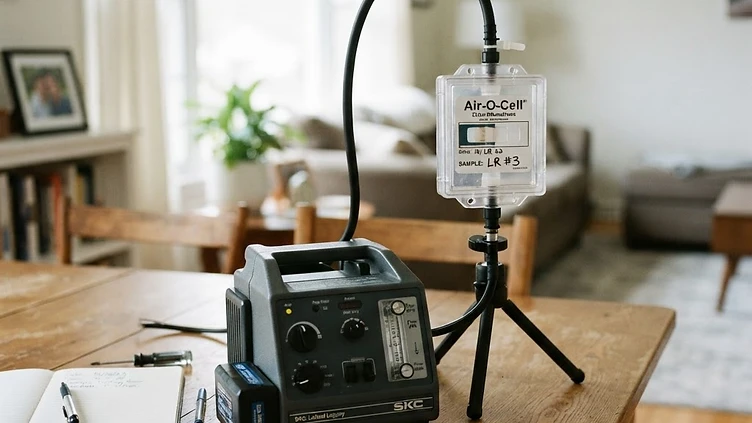
Air sampling captures microscopic particles from your indoor environment. We collect these samples alongside a control sample from the outdoor air. By comparing these, we can determine if indoor spore counts are elevated compared to the natural background levels present in your local environment.
Using Surface Sampling to Identify Mold Growth
Surface samples are collected directly from a specific area to identify the type of mold present. This is helpful when you need to confirm if a substance on a wall or other material is indeed mold. We follow EPA guidance by prioritizing the identification of the underlying moisture source causing the growth.

Our Commitment to Objective Testing
PureAir is an independent firm, which means we do not perform remediation or mold removal. Because we have no financial stake in cleanup services, our reports provide impartial data. You receive clear information to guide your own choices about property maintenance and hiring third party contractors.
Questions readers ask
Is air sampling more accurate than surface testing?
Neither method is better because they serve different goals. Air sampling detects spores floating in the air, while surface testing identifies what is growing on a specific spot. We determine which method fits your situation based on what we find during the initial assessment.
Do I need testing if I can see mold?
If you see mold, the EPA recommends focusing on finding and fixing the moisture source. Testing is most useful if you have already addressed a moisture issue and want to verify conditions or if you are concerned about air quality in areas where no mold is visible.
Why are multiple air samples taken?
A single air sample only represents the air quality in one location at one moment. Because air movement and building layouts vary, we take multiple samples to get a representative look at different areas of your property.